












































The uneasy quiet that had settled over the Arabian Peninsula for nearly four years has shattered. Saudi warplanes are once again striking targets inside Yemen, and Houthi missiles and drones are again slamming into Saudi cities, reviving a war that many believed had been consigned to history after a 2022 truce. What began in July as scattered skirmishes has, in a matter of weeks, hardened into a full-blown regional confrontation, one that is bleeding into oil markets, shipping lanes, and the delicate diplomacy of a Middle East already strained by other conflicts.
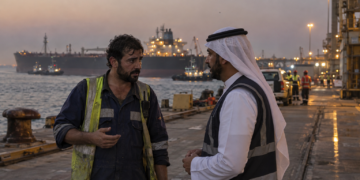
The immediate spark came from Yemen’s western coast. Houthi fighters, who control Sanaa and much of northern Yemen, launched a rapid ground offensive that pushed government and Saudi-backed forces out of large stretches of the Red Sea coastline. Analysts say the advance was never only about territory. By tightening their grip on the coast near the Bab al-Mandeb strait, one of the world’s most important chokepoints for oil and container traffic, the Houthis gained leverage far beyond Yemen’s borders. Soon after, the group declared a naval blockade against Saudi shipping and began striking tankers, a move that Riyadh treated as an act of war.
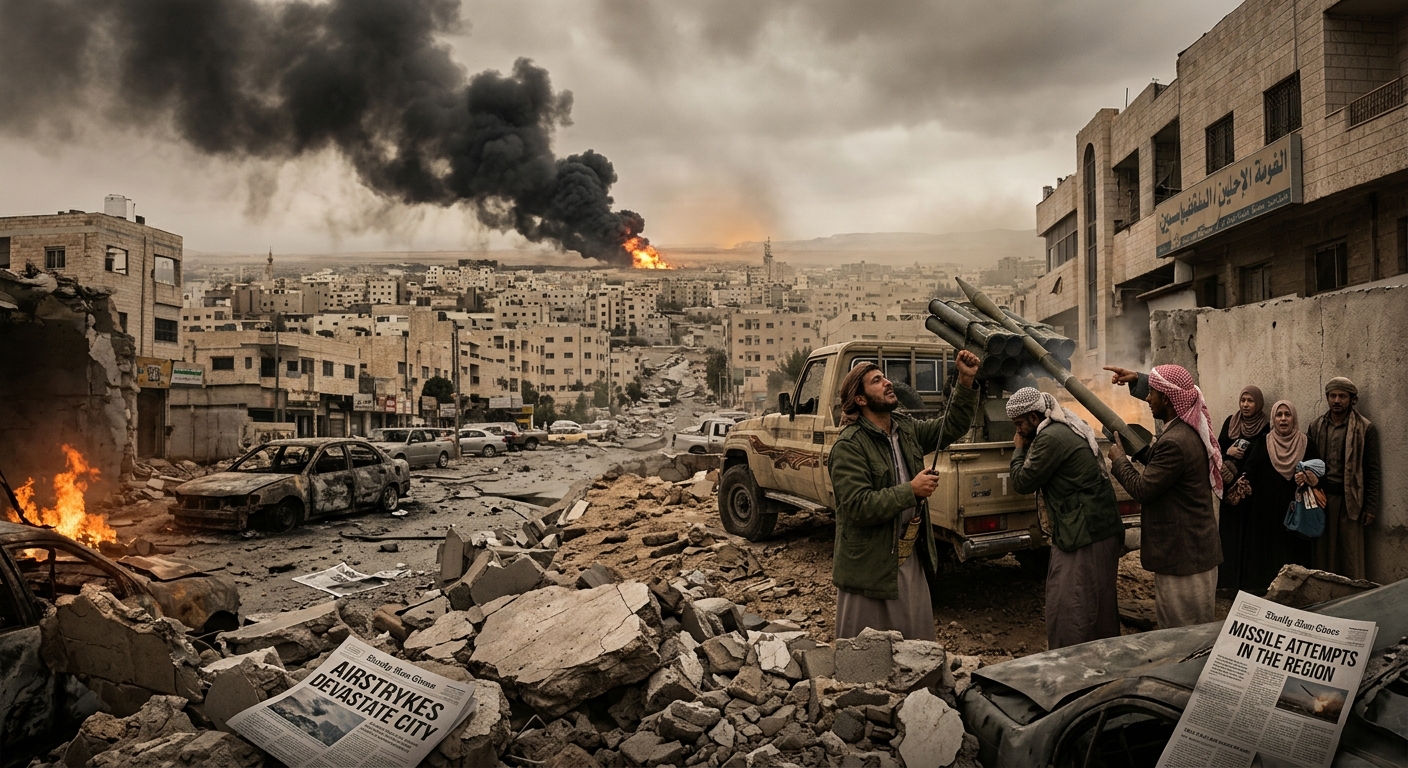
The retaliation has been fierce on both sides. Saudi-led coalition jets have carried out dozens of strikes on Houthi-held provinces including Hodeidah, Taiz, Al-Jawf and Hajjah, while Houthi forces have fired missiles and drones deep into the kingdom, hitting Abha, Jazan, Khamis Mushait and Najran. One wave of strikes earlier this month wounded more than seventy people and set fire to oil facilities and utilities in the kingdom’s south, according to Saudi authorities, marking one of the most damaging single attacks in years. Saudi military spokesmen have vowed a firm response to every new attack, while Houthi officials have promised the fighting will continue until the blockade achieves its aims.
The human cost is mounting quickly. Aid organizations report that the renewed clashes have killed or wounded well over a thousand people since fighting resumed, and tens of thousands of Yemenis have been forced from their homes, many of them for the second or third time in a war that has already displaced millions. Displacement camps along the Red Sea coast are filling again with families who fled with little more than jerrycans and blankets, deepening a humanitarian crisis that was already among the world’s worst before the truce collapsed. Yemen’s health and water systems, battered by more than a decade of war, are once again being pushed to their limits.
Economically, the timing could hardly be worse. The fighting around Bab al-Mandeb threatens a route that has become even more critical to global energy markets because of a separate war between the United States and Iran, which has severely disrupted shipping through the Strait of Hormuz. With Hormuz effectively choked off for months, Saudi Arabia has leaned heavily on its Red Sea export corridor, and seaborne crude shipments through Bab al-Mandeb have surged many times over compared with a year earlier. A sustained closure or slowdown of that route, layered on top of the Hormuz disruption, would strike at a corridor that normally carries a meaningful share of the world’s oil and container traffic, raising the prospect of higher freight costs, insurance premiums, and fuel prices well beyond the region.
The conflict is also testing new diplomatic alignments. Just weeks before the fighting escalated, Saudi Arabia signed a mutual defense pact with Turkey and Pakistan, an agreement that obligates each signatory to treat an attack on one as an attack on all. Pakistani officials have already warned publicly that continued Houthi strikes could trigger that clause, raising the possibility that Islamabad or Ankara could be drawn militarily into a war that, until recently, was seen as a largely local insurgency. Such an outcome would mark a significant widening of the conflict and could reshape security arrangements across the wider Muslim world.
Regional watchers see the Houthis’ calculus shifting as well. The group, long backed by Iran, appears to be using the chaos of the wider Middle East, including Israel’s campaign in Gaza and the U.S.-Iran war, to press advantages it could not have secured in calmer times. Whether that strategy pays off or drags Yemen into another decade of devastation may depend less on battlefield gains than on whether outside powers choose to contain the fighting or, as the new defense pact suggests, allow it to spread. For now, ceasefire talk has gone silent, oil tankers are rerouting around a dangerous coastline, and a war many hoped was over is once again dictating the rhythm of life across the Arabian Peninsula.