


























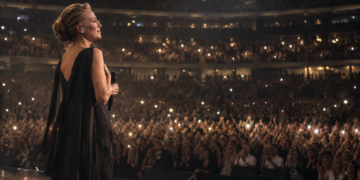

Céline Dion’s first full concert in more than six years could easily have been sold as a story of conquest. The lights rise, the famous voice returns, illness retreats, and everyone goes home reassured. Yet the deeper power of her September 12 performance near Paris came from refusing that tidy script. When Dion became emotional at the opening of “On ne change pas,” the pause did not feel like a crack in the show. It felt like the show telling the truth: returning is rarely the same as going back.
Since her last full concert in 2020, Dion has lived through a public medical ordeal. In 2022, she disclosed that she had stiff person syndrome, a rare neurological disorder that can cause severe rigidity and painful spasms. For a singer, the diagnosis carries a particular cruelty because muscle control is part of the instrument. Her acclaimed appearance at the 2024 Paris Olympics proved that she could still create a breathtaking moment. A full arena concert, however, asks for stamina, pacing, recovery and trust across an entire evening.
That distinction matters. Celebrity culture loves the single heroic image: Dion high above Paris, rain falling, voice soaring. A concert exposes more human dimensions. There are transitions between songs, breaths that must be managed, emotions that refuse to stay backstage and an audience listening for both the familiar sound and signs of strain. By performing a set of more than two hours, Dion did not erase the years away. She let those years accompany her, and the audience responded to the person carrying them rather than demanding an untouched version of the star.
I hope coverage of this return resists the vocabulary of “beating” illness. A successful night cannot prove that a chronic condition has vanished, and courage should not be measured by how closely someone resembles their former self. That expectation is unfair to Dion and to millions of people who negotiate work, ambition and identity around bodies that do not obey a clean recovery timetable. Her achievement was specific and enormous: she prepared enough to sing that night, in that venue, under conditions her team could support.
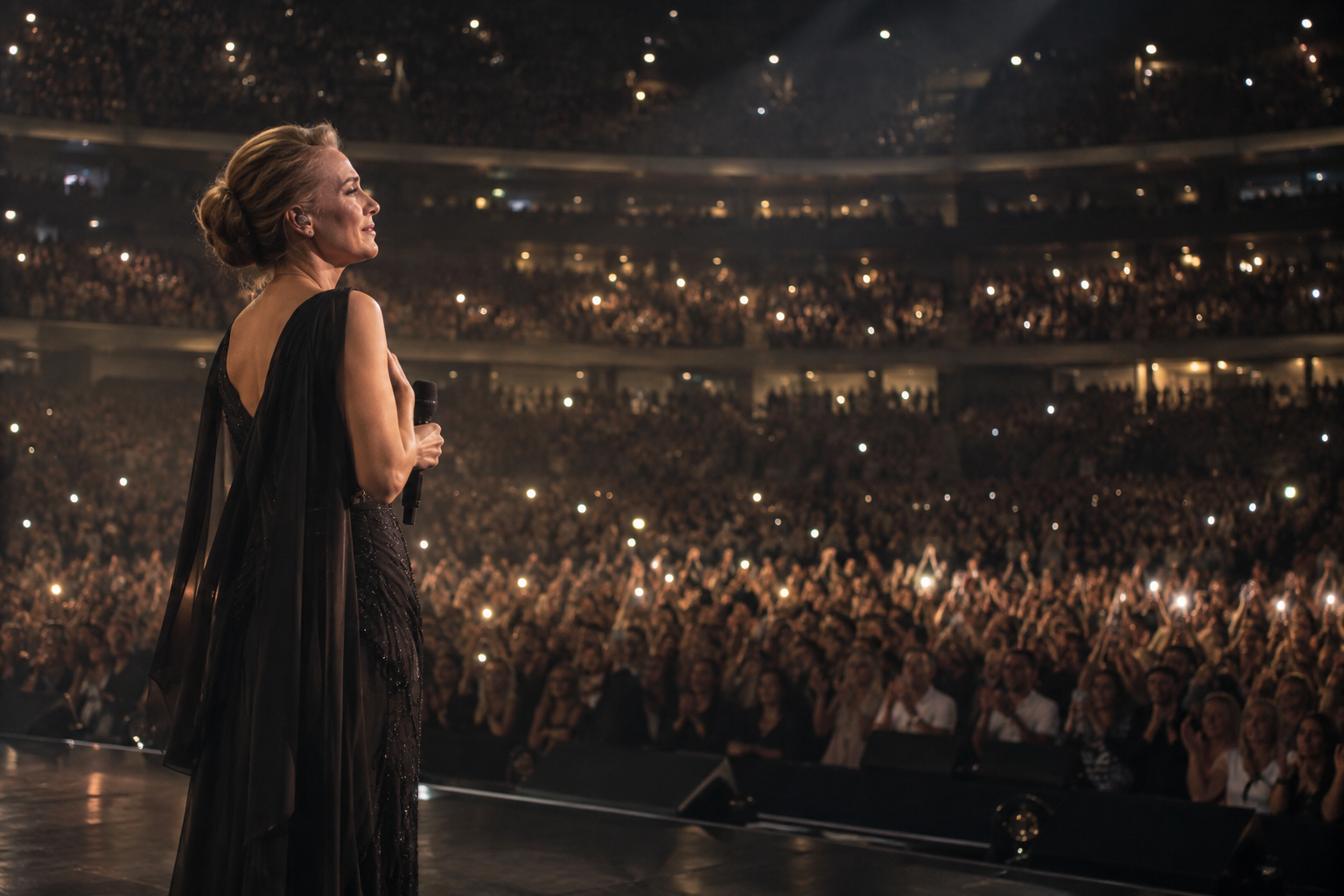
The restraint of the production strengthened that message. Reports described simple black gowns and a stage that kept attention on Dion rather than burying her beneath machinery. The choice was aesthetically smart, but it also suggested a new contract with the audience. Spectacle would no longer be used to pretend that effort is effortless. When she reached songs such as “All By Myself” and “My Heart Will Go On,” their old emotional architecture remained, yet the words inevitably carried new weight. Familiar material became a record of survival without needing a speech to explain it.
There is also something refreshing about hearing a major voice return without chasing the grammar of reinvention. Pop comebacks often arrive with a new genre, a new image and a campaign designed to make the past look obsolete. Dion’s presence was enough. She has spent decades singing songs that risk embarrassment because they state feeling plainly and at full volume. Age and illness have made that artistic instinct seem wiser, not smaller. In a period when performance is often filtered into clips and judged within seconds, sustained sincerity feels almost radical.
Fans have a responsibility in what comes next. Gratitude for this concert should not harden into entitlement to twenty-five more identical nights. A residency creates repetition on paper, but a body with a neurological disorder may experience each date differently. The humane response is to allow changes, postponements or cancellations without turning them into a referendum on her resolve. Dion owes audiences professional honesty. She does not owe them the sacrifice of her health to preserve an image of invincibility they helped create.
That is why this comeback moved beyond nostalgia. Dion returned with the voice people remembered, but also with visible limits, altered stakes and no guarantee that the path ahead will be smooth. The concert showed that excellence can include adaptation and that emotion need not be edited out before work becomes worthy of a stage. If this new chapter lasts for years, it will be welcome. If it remains fragile or brief, the night still stands. Céline Dion sang again, and she made uncertainty part of the music.