









































Ocean Vuong’s The Emperor of Gladness arrives disguised as a rescue story. Nineteen-year-old Hai stands near the edge of death in the fictional Connecticut town of East Gladness, and Grazina, an elderly widow living with dementia, calls him back. He moves into her home, becomes her caregiver and later finds work at a fast-casual restaurant. That outline sounds almost engineered for uplift. The novel’s real achievement is its refusal to make recovery tidy. Hai does not become whole because someone needs him. Grazina does not become a saint because she offers shelter. They remain needy, evasive, funny and difficult, which is why their care for each other feels credible.
Published in 2025, Vuong’s second novel turns its attention toward people whose labor is usually noticed only when it fails: food workers, caregivers, older women, migrants and the relatives who keep a household from collapsing. I found this focus more affecting than the book’s grander reflections on war and inherited pain. Vuong is strongest when a shift must be finished, a body must be washed, or a lie must be maintained through one more phone call. The ordinary task becomes a moral event because somebody has to do it, whether or not anyone applauds.
Hai’s job at HomeMarket gives the novel its rough communal pulse. His coworkers are not presented as symbols of noble poverty. They gossip, compete, misread one another and improvise small mercies under fluorescent light. Their workplace is exhausting, but it also becomes a social world with its own jokes and loyalties. Contemporary fiction often treats low-wage employment as scenery on the way to a character’s “real” life. Vuong makes the hours on the clock part of life itself. That choice quietly rebukes a culture that measures dignity by escape.
The prose will divide readers. Vuong remains a poet even when writing a crowded novel, and some images seem to ask for admiration before they have earned it. A sentence may flare beautifully, then delay a scene that was already carrying its own emotional weight. Yet I would rather read an ambitious writer who occasionally presses too hard than one who keeps every surface polished and safe. The excess belongs to the book’s argument: damaged people do not speak, remember or love in neat proportions.
What stayed with me most was the novel’s treatment of usefulness. Hai believes his worth depends on whether he can help Grazina, satisfy his mother’s expectations or survive another shift without exposing his addiction and shame. This is a familiar bargain in working life: if we remain useful, perhaps we will be allowed to remain. Vuong shows how dangerous that bargain becomes. Care can give a person structure, but it can also become another place to hide. Being needed is not the same as being known.
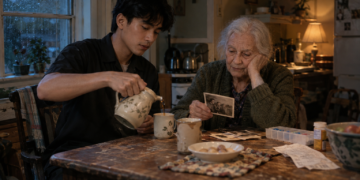
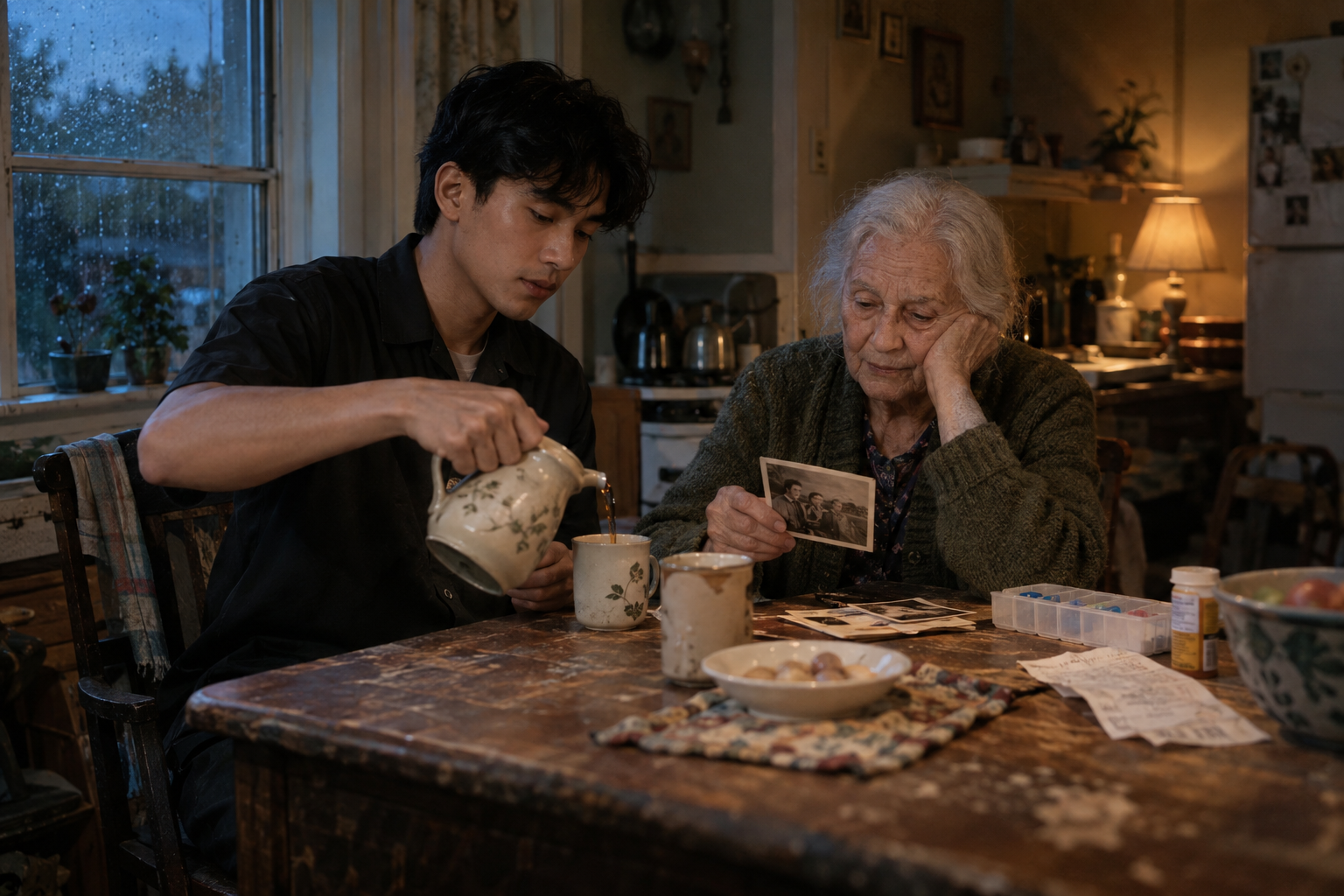
Grazina complicates that idea because dementia makes knowledge unstable. She sees Hai clearly at unexpected moments and loses the world at others. Their household runs on partial recognition. The arrangement is unequal, sometimes alarming, and still capable of tenderness. The novel suggests that intimacy does not require perfect understanding. It requires attention: noticing the pillbox, the unfinished meal, the change in someone’s voice. In an era that markets wellness as private self-management, this modest dependence feels almost radical.
The book is less successful when every wound appears connected to a vast historical echo. War, displacement, opioids, class and family secrecy all belong here, but their accumulation occasionally crowds the characters. The most persuasive passages need no enlarged claim. A kitchen table, a restaurant back room or a faltering memory already contains enough pressure. Vuong’s instinct is to illuminate every corner; the reader sometimes needs a little darkness in which to think.
Still, The Emperor of Gladness earns its emotional scale. It asks readers to look at lives that public language reduces to cases, burdens or cautionary tales, then restores their jokes, appetites and contradictions. Its hope is neither clean nor guaranteed. Hope looks like returning home after a bad shift, setting water to boil and sitting beside someone whose memory is leaving. The novel convinced me that survival is rarely a solitary triumph. More often, it is an untidy agreement among people who keep showing up before they understand exactly why.