







































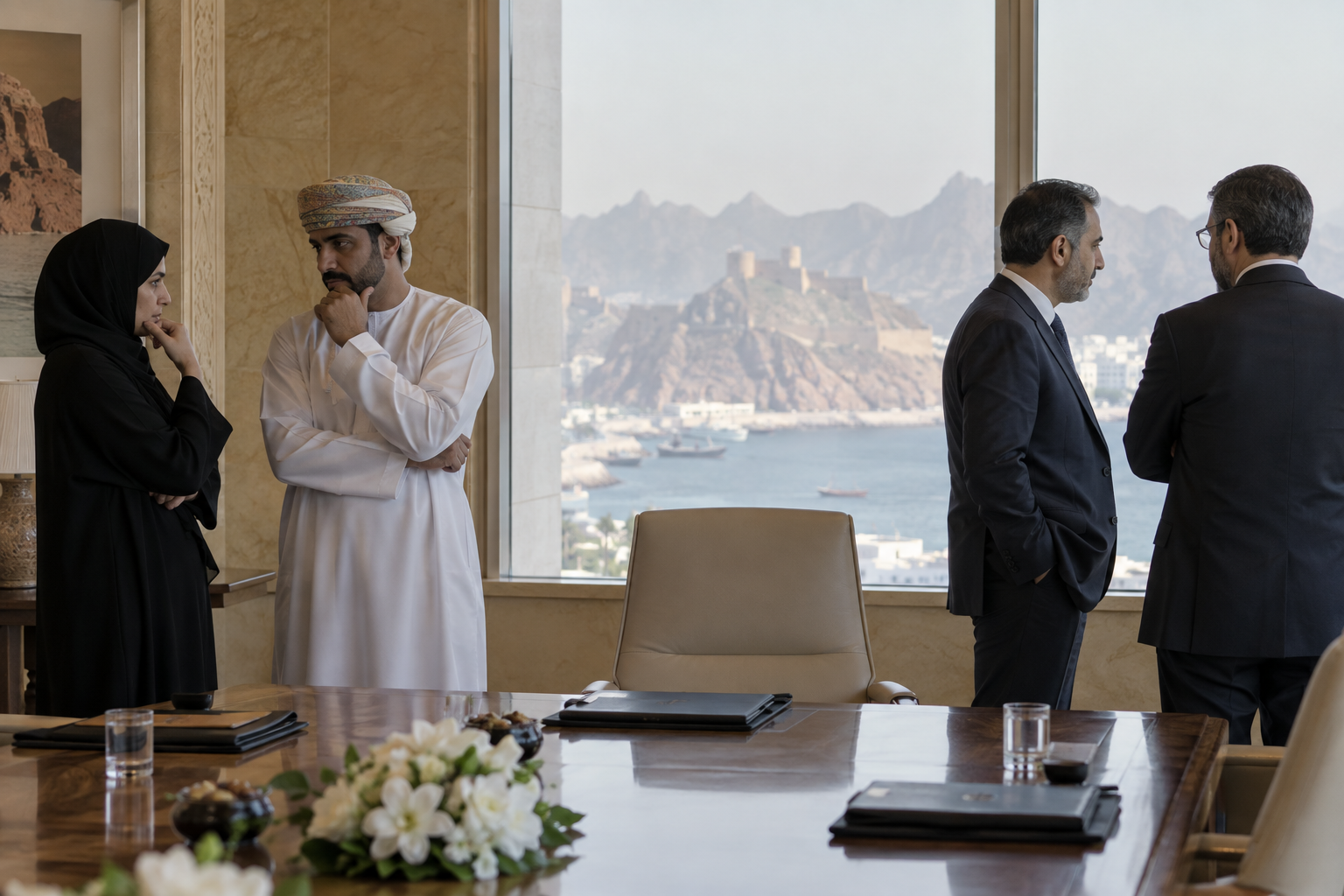
An empty chair captures the uncertainty surrounding the delayed talks in Oman.
MUSCAT, Oman — A meeting meant to draw Iran and its Arab neighbors into the same room has been postponed, turning a promising diplomatic opening into another measure of how far the region remains from a workable peace. The gathering, planned for Monday in Oman, was expected to bring Iran together with Gulf states and Iraq for discussions centered on shipping through the Strait of Hormuz. Omani Foreign Minister Badr Albusaidi said the delay was made in the interests of consensus. No replacement date was announced.
Iranian officials offered a similar account, saying Tehran and Muscat agreed to postpone the talks after requests from some regional countries. The careful language could not conceal the political problem. Only Iraq had publicly confirmed that it would attend, while Bahrain said it would stay away because it has no diplomatic relations with Iran. Other Gulf governments had not committed publicly, leaving Oman without the broad attendance needed to present the talks as a regional process rather than a bilateral Iranian initiative. The failure to assemble the full table also weakened the prospect of any common Gulf position emerging in the room.
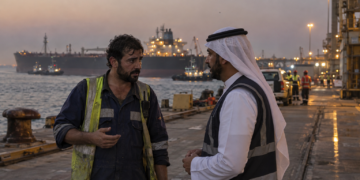
The meeting was never expected to deliver a final settlement. Its value lay in bringing governments with sharply different security interests into a practical conversation about the narrow waterway linking the Persian Gulf to the Arabian Sea. Before the war that began in February, roughly one fifth of the world’s oil supply moved through the strait. Commercial traffic has since fallen amid blockades, attacks on vessels and competing claims over who may regulate passage. Every delay now carries consequences well beyond the Gulf, from tanker insurance to fuel prices and delivery schedules.
Oman and Iran had spent weeks developing a phased proposal. Their August statement described a temporary joint navigation corridor, a mine-clearing project and continued technical talks on traffic management, information sharing and a permanent arrangement. Those details gave the initiative unusual substance. Yet they also exposed the central dispute. Tehran has sought the right to collect fees from passing ships, according to a senior Iranian official, while Oman and the Gulf Cooperation Council reject tolls and insist that transit remain free and unconditional under international law.
That disagreement is more than a quarrel over revenue. It concerns whether Iran can convert wartime control of the strait into recognized authority over one of the world’s most important trade routes. Gulf governments want navigation restored, but they are wary of accepting a system that could reward coercion or leave their economies vulnerable to future political demands. Iran, under military and economic pressure, has little incentive to surrender leverage without concessions. The postponed meeting shows that maritime rules cannot be separated from the wider conflict.
The timing made compromise harder. Hours before the postponement was reported, an Iranian cargo vessel was struck near Qeshm Island, according to Iranian state media. One person was reported killed and four wounded. The United Kingdom Maritime Trade Operations also reported a vessel hit by a projectile in the strait, though it was unclear whether it was describing the same incident. At the other end of the Arabian Peninsula, Houthi advances and attacks near the Bab el-Mandeb Strait have raised fears that pressure on two vital shipping corridors could intensify at once.
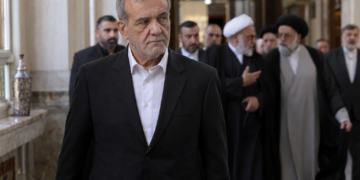
There are still signs that regional governments do not want diplomacy to collapse. Iranian President Masoud Pezeshkian met Abu Dhabi Crown Prince Sheikh Khaled bin Mohamed bin Zayed on the sidelines of the BRICS summit in New Delhi and described their conversation as constructive. Gulf capitals have also repeatedly supported Oman’s role as mediator, even while condemning Iranian strikes and rejecting Tehran’s terms for reopening Hormuz. That mix of contact and confrontation has become the region’s operating reality.
The next diplomatic move may therefore be quieter and smaller than the postponed ministerial gathering. Oman could return to shuttle talks, seeking agreement first on mine clearance, emergency communications or protected shipping lanes before attempting another group meeting. Such steps would not end the war, but they could build evidence that cooperation is possible without settling every political dispute at once. For now, the empty chairs carry their own message: the region agrees that the strait must work, but it has not agreed on who can be trusted to make it work.