


































Public debate in Seoul has intensified as officials weigh the risks and limits of a possible overseas mission.
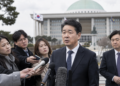
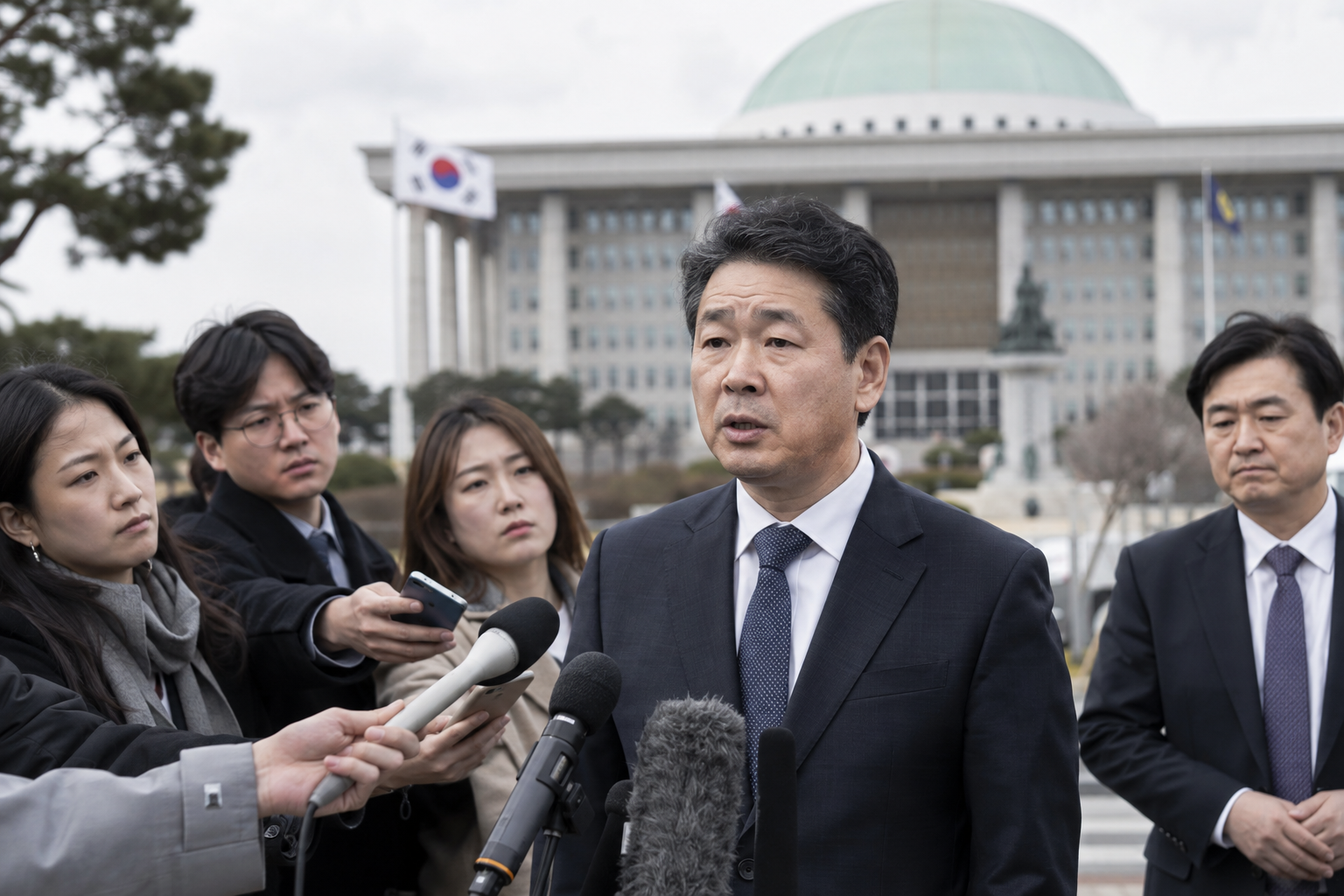
South Korea is slowing a decision that Washington wants made quickly, insisting that any military role in the Strait of Hormuz must rest on law, public trust and what Prime Minister Han Seong-sook called a social consensus. Her message was not a refusal. It was a reminder that sending forces abroad cannot be treated as a routine favor between allies, especially when the proposed mission sits beside an active conflict with Iran.
Seoul says no deployment has been approved and that a range of contributions remains under review. Officials have discussed ways to protect freedom of navigation, from maritime surveillance and logistical support to mine detection and clearance. A Defense Ministry team recently traveled to the United Arab Emirates to assess conditions, but the government stressed that the visit did not presume troops would follow. Reports that Washington imposed a November deadline have also been denied.
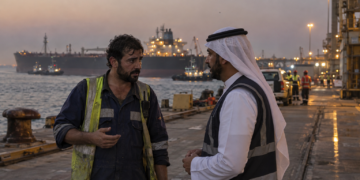
The caution reflects more than domestic politics. The Strait of Hormuz is an economic artery for South Korea, carrying 61 percent of its crude oil imports and 54 percent of its naphtha imports last year. A prolonged disruption would move rapidly from shipping lanes into fuel bills, factory costs and household prices. Seoul therefore has a direct interest in keeping the passage open, yet a military presence intended to protect commerce could also expose Korean personnel and vessels to attack.
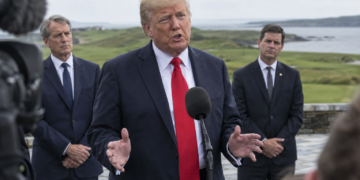
That is the uncomfortable space in which President Lee Jae Myung’s government is operating. The United States wants allies whose economies depend on the waterway to share the security burden. President Donald Trump has publicly criticized Seoul for declining to support American efforts in the conflict with Iran and cited that frustration when scaling back joint US-South Korea military exercises. For Korean policymakers, the request is consequently tangled with doubts about alliance reliability and fears that hesitation will carry costs elsewhere.
Seoul is trying to separate those issues. Presidential officials have rejected suggestions that a Hormuz decision is linked to trade or investment negotiations with Washington. During Lee’s talks with French President Emmanuel Macron, the two leaders discussed maritime security and global supply chains, while South Korean officials emphasized that the conversation was about possible contributions, not an agreed troop dispatch. The distinction matters: cooperation can include intelligence, diplomacy, humanitarian support or technical assistance without placing Korean forces in a combat chain.
Parliament will be the next unavoidable arena if the government chooses a military deployment. South Korean law requires National Assembly approval for forces sent overseas. That process gives the public argument institutional weight, rather than leaving it to opinion polls or presidential discretion. A Gallup Korea survey in March found 55 percent opposed sending Korean warships to Hormuz, compared with 30 percent in favor. Those numbers do not settle policy, but they make a hurried vote politically risky.
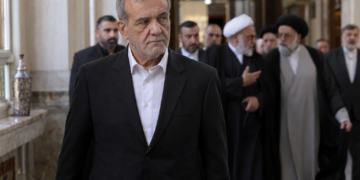
Iran has sharpened the stakes by warning that South Korean participation in Gulf operations would be viewed as support for American aggression and could bring serious consequences. Seoul, meanwhile, must preserve military readiness against North Korea. Every aircraft, specialist team or support vessel assigned abroad raises questions about mission rules, force protection and what remains available at home. A supposedly limited deployment could also expand if mines, drones or missiles threaten an escort mission.
The government’s phrase social consensus can sound like a device for buying time, but it also describes the missing foundation of a durable decision. The public needs to know the mission’s precise purpose, who commands it, when it ends and whether Korean forces may use force. Lawmakers need credible estimates of risk and cost. Allies need clarity about what Seoul can provide without compromising defense of the peninsula. Tehran needs to hear that protecting navigation is not a declaration of war.
A narrow, transparent contribution may eventually emerge as the compromise: enough to defend shipping and demonstrate alliance responsibility, but carefully separated from offensive operations against Iran. Yet even a limited role requires an exit plan and explicit rules of engagement. Seoul’s hesitation is therefore not simply indecision. It is an effort to prevent an alliance request from becoming an open-ended commitment before the country has agreed on what it is defending, and how far it is prepared to go.