
































The Federal Reserve raised interest rates on Wednesday for the first time in more than three years, ending a long stretch of steady borrowing costs and signaling that policymakers are no longer willing to look past inflation that has refused to fade. The Federal Open Market Committee voted 12 to 0 to lift its benchmark rate by a quarter of a percentage point, moving the target range to between 3.75 percent and 4 percent.
The unanimous vote is itself notable. Fed watchers had spent weeks speculating that at least a few officials might push back, either favoring a larger move or preferring to wait for more data. Instead, the committee closed ranks behind Chair Kevin Warsh, who has spent his short tenure trying to convince markets that the central bank will not tolerate inflation drifting away from its 2 percent goal.
The rate increase caps a turbulent year for the Fed. Officials had held rates steady through the first half of 2026, betting that price pressures left over from the pandemic era would keep easing on their own. That bet soured over the summer as energy costs climbed sharply and spilled into everything from airfares to grocery bills. By the time the Fed’s Jackson Hole symposium rolled around in late August, Warsh was already dropping hints that a hike was coming, and Wall Street spent the following weeks pricing it in almost to certainty.
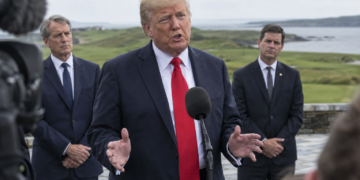
What makes this moment different from prior hiking cycles is the political backdrop. President Trump has repeatedly and publicly demanded lower rates, arguing the economy is stronger than official data suggests and that the United States should have the lowest borrowing costs of any major economy. Warsh, who took the Fed’s helm with a reputation for independence, chose to move in the opposite direction anyway, a decision likely to intensify the running tension between the White House and the central bank rather than settle it.
Warsh framed the increase as a defense of ordinary households rather than a favor to Wall Street. He argued that price stability ultimately protects workers who lack financial assets or home equity to cushion them from inflation, since a shrinking dollar erodes paychecks long before it dents portfolios. It is an argument aimed squarely at critics who accuse the Fed of prioritizing markets over Main Street.
The committee’s updated economic projections suggest this will not be a one-and-done move. Of the eighteen officials who submit forecasts, sixteen see at least one more increase before year’s end, and four of those expect two. Only two policymakers think Wednesday’s hike will be the last for a while. The Fed’s dot plot, the closely watched chart tracking individual rate expectations, now points toward a funds rate near 4.125 percent by December, with no further increases penciled in beyond 2026 and a handful of modest cuts eventually appearing in the 2028 and 2029 forecasts.
Markets absorbed the news calmly rather than nervously, a sign that investors had already braced for it. The S&P 500 and Nasdaq both ticked higher after the announcement, though gains narrowed as Warsh’s press conference wore on and he declined to rule out a faster pace of tightening. Treasury yields, which had already climbed roughly a percentage point since February on hiking expectations, pushed further upward, with the rate-sensitive two-year note showing the sharpest reaction.
For households, the practical effects will show up gradually but broadly. Variable-rate credit card balances, home equity lines, and adjustable mortgages will reprice higher within a billing cycle or two, while new fixed mortgage rates are likely to inch upward as lenders adjust to a steeper rate path. On the other side of the ledger, savers should finally see modestly better returns on savings accounts, money market funds, and certificates of deposit, an upside that has been largely absent during the years of near-zero returns.
Businesses face a similar split. Companies carrying floating-rate debt, particularly smaller firms and highly leveraged sectors like commercial real estate, will see financing costs rise just as many were hoping for relief. Exporters, meanwhile, may benefit if a stronger dollar is offset by steadier input costs, though a firmer greenback also makes American goods pricier abroad, a tension likely to surface in trade discussions in the months ahead.
The global ripple effects are worth watching too. A more hawkish Fed tends to pull capital toward dollar assets, which can strain currencies and debt servicing in emerging markets already juggling their own inflation fights. Central banks from Frankfurt to Jakarta will be parsing Wednesday’s statement for clues about how aggressively Washington intends to keep tightening, since a widening gap between U.S. and foreign rates rarely stays contained within American borders.
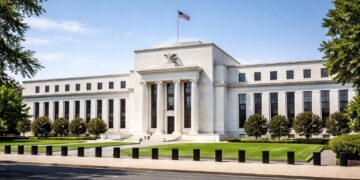
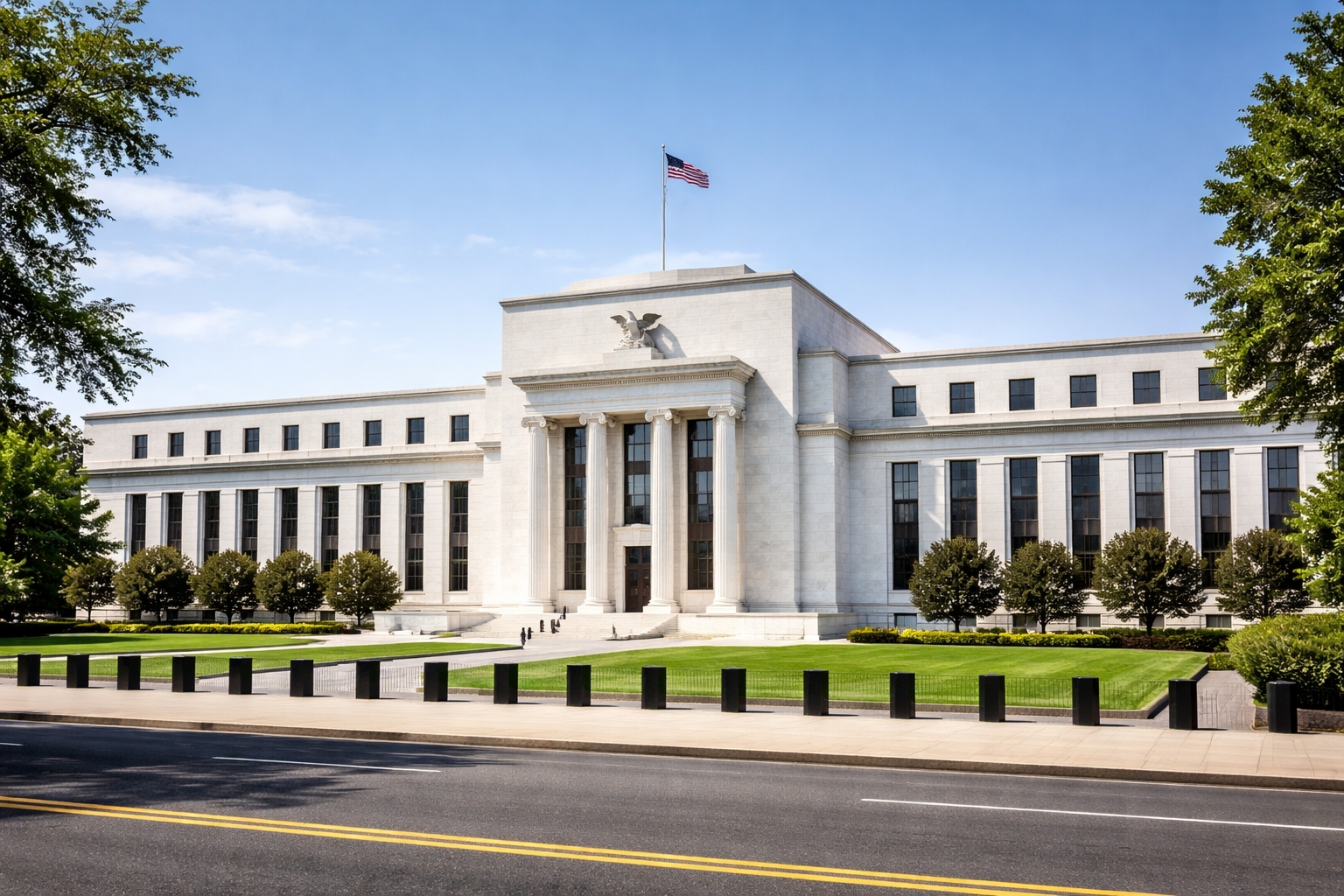
For now, the message from the Eccles Building is unmistakable: after three years of standing pat, the Fed is once again willing to raise the cost of money to keep inflation from becoming entrenched, even if that means further friction with the White House and a bumpier ride for borrowers between now and the committee’s next meeting.